4. Repetition & Cognitive Function
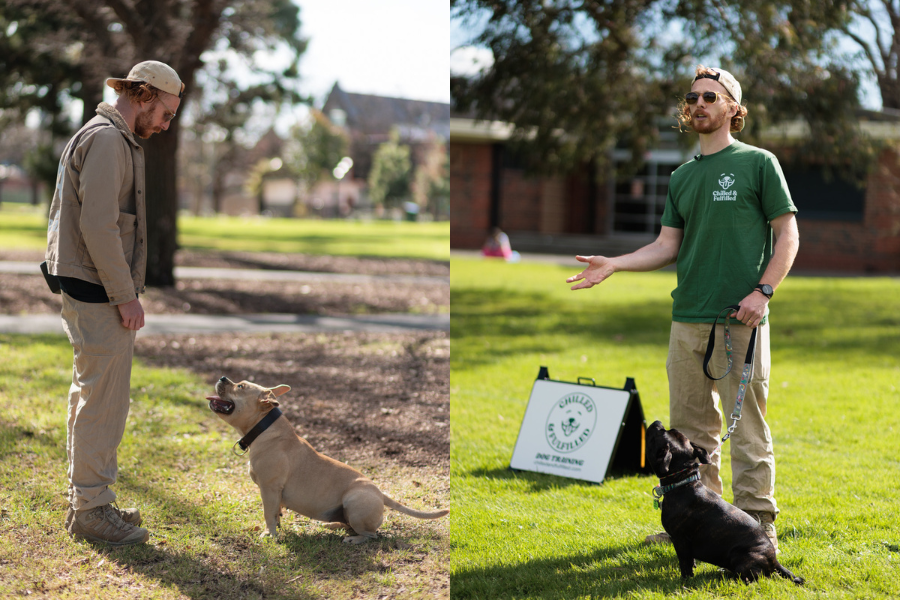
Training isn't just a one-and-done deal, you know? It's more like a constant evolution, where you keep reinforcing what they've learned and throw in some new tricks to teach your dog here and there. Repetition goes hand in hand with preventing confusion. It's all about flexing their memory muscles and keeping their minds sharp.
When selecting dog training treats or food for your pup, keep an eye out for ingredients containing EPA and DHA, such as fish, fish oils, and mussels. These nutrients are essential for supporting your dog's cognitive function and overall well-being. Plus when your dog is properly nourished, their alertness should be heightened, making them responsive to your commands!
Action: Set a calendar reminder for training time, and have a routine you repeat each time for a minimum number of reps until the behaviour is fully embedded.
5. Facilitate Great Training with A Great Diet
Keep in mind that if you're doing everything right but your dog isn’t responding well to training or seems moody, this could signal nutritional deficiencies. You can teach a dog new tricks on a lacklustre diet! Just like humans, dogs need quality training, treats and food for cognitive development and calm behaviour. Remember, we eat brain-boosting foods to stay focused; dogs need the same! So, choose nutritious dog training treats and food to boost your pup's engagement, learning, and memory. After all, a well-fed dog is a quick learner!
Typical dry dog food can often be loaded with high-GI carbs like wheat, rice, and potatoes, which can cause sugar spikes. Dogs don’t need carbs for energy; they get most of their calories from protein. They do however need the micronutrients in low-GI carbs. Look for natural dog foods with whole food carbs like sweet potato, broccoli or pumpkin to keep your dog fuelled right.
Next let's talk about amino acids. They're from digested protein and help regulate mood and sleep. If your pup's mood swings or acts hyper, they might need more amino acids. Lack of tryptophan, an essential amino acid, can make them restless. Stable moods mean better training sessions. Look for tryptophan-rich protein sources like free range chicken and avoid vague 'meat' labels. Opt for proteins from wild-caught animals on hormone and antibiotic-free diets for even better balance. Woof, that's a mouthful!
Action: Make sure you thoroughly understand the food you’re selecting for your dog. High quality proteins, purposeful carbohydrates and minimal or zero fillers are key. Check out our guide to ingredients to avoid for more info.
In Conclusion
In conclusion, training your dog is a journey filled with fun, challenges, and rewards. By incorporating the right techniques, resources, and diet, you can set your furry friend up for success. Remember, training isn't just about teaching your dog new tricks; it's about building a strong bond, ensuring safety, and promoting mental stimulation.
At Eureka Pet Co, we understand the importance of nutrition in your dog's training journey.
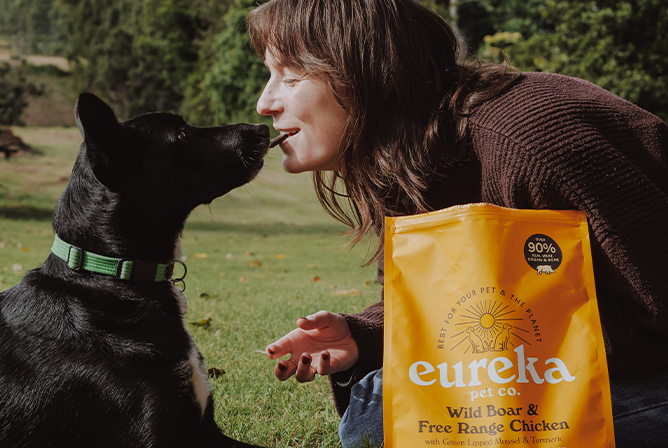
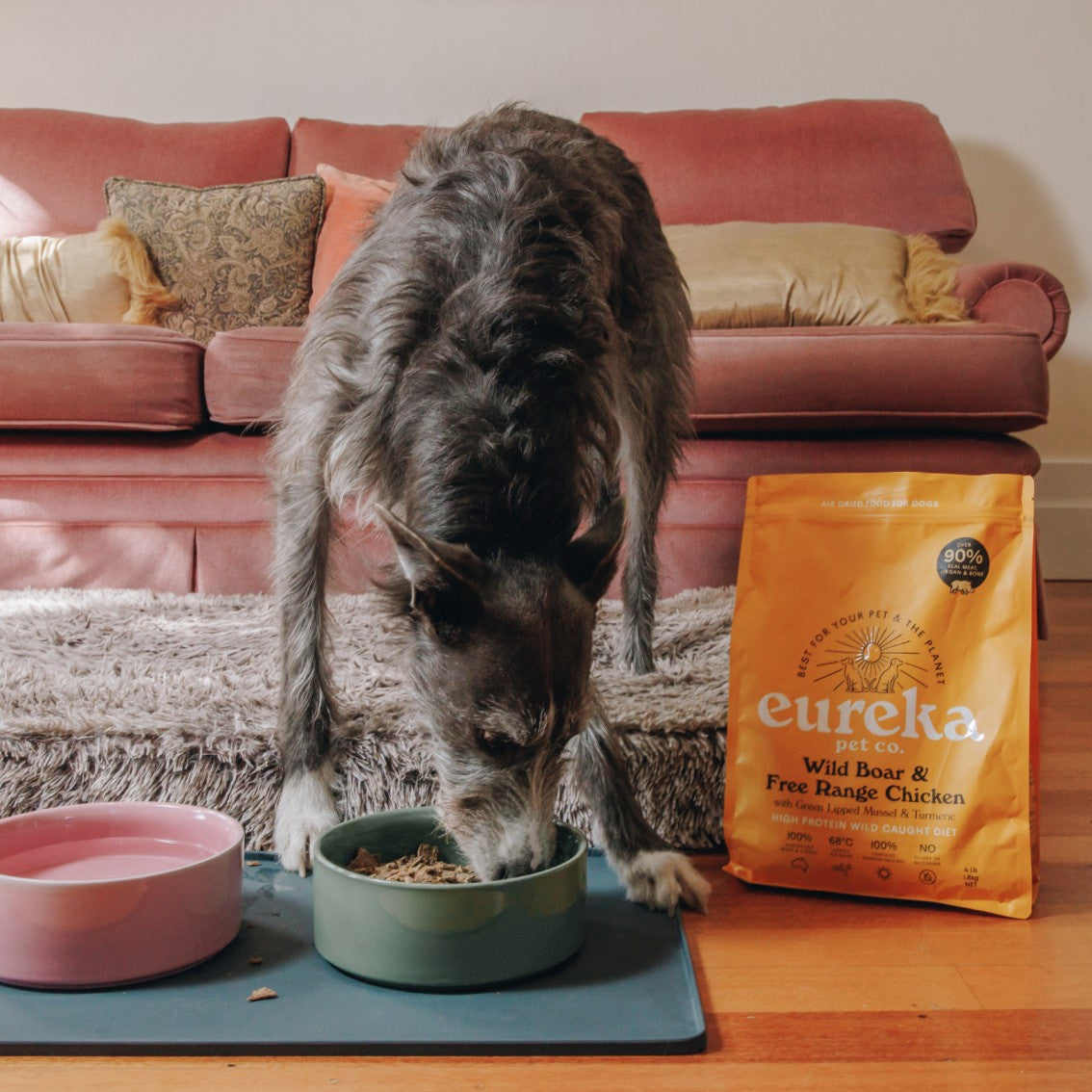
Our Aussie made air-dried dog food recipes are flexible to be used as a training treat, topper or complete & balanced meal. Featuring a base of over 90% wild-caught and grass fed meat, organs and bone, with 10% purposeful wholefood and low GI fruit & veg. Zero fillers, zero nonsense, and a solid dose of DHA/EPA via salmon oil and green lipped mussels. Every bite is designed to support your dog’s cognitive function, energy levels, and overall well-being.
Check out our air-dried dog food recipes as fuel for your next training session.


 Made in Australia